
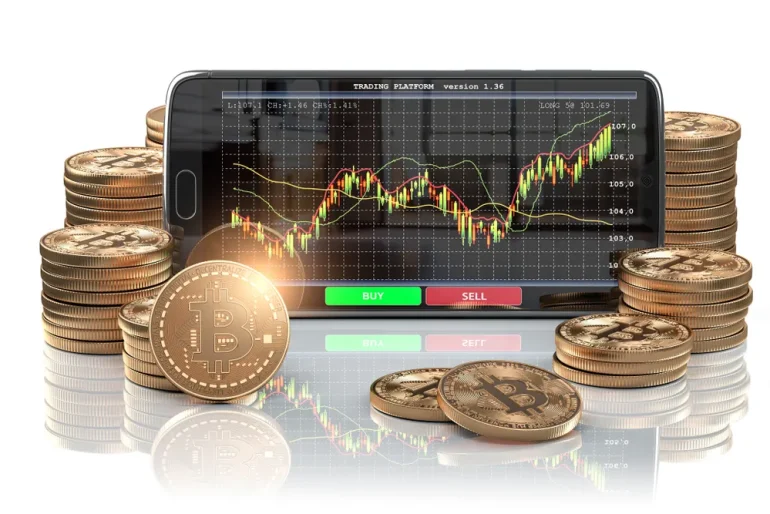
Introduction: A New Frontier in Finance
In just over a decade, cryptocurrencies have matured from an experimental curiosity to a multi-trillion-dollar market. At the heart of this evolution lies crypto trading—a dynamic, high-stakes endeavor that attracts everyone from retail traders testing their luck to sophisticated hedge funds deploying advanced algorithms. While tales of overnight millionaires continue to dominate headlines, the reality of crypto trading is far more nuanced, demanding strategy, discipline, and a clear-eyed understanding of risk.
Understanding the Crypto Trading Landscape
Crypto trading, at its core, involves buying and selling digital currencies with the aim of generating profit. Unlike traditional stock markets that observe strict trading hours, crypto markets operate 24/7, providing traders with round-the-clock opportunities—and risks. This perpetual market is driven by a global network of exchanges, each varying in liquidity, fees, and security standards.
Spot Trading vs. Derivatives: Knowing the Difference
One of the first distinctions a trader must grasp is the difference between spot trading and derivatives trading
-
Spot Trading: This is the straightforward exchange of one cryptocurrency for another or for fiat currency. The trader owns the asset outright and can hold it for as long as they wish.
-
Derivatives Trading: Here, traders speculate on the future price of an asset without owning the underlying coin. Common derivatives include futures, options, and perpetual contracts. Derivatives allow for leverage, enabling traders to control large positions with relatively small capital—amplifying both potential gains and losses.
Market Analysis: Tools of the Trade
Successful traders rely on two primary schools of analysis:
-
Technical Analysis (TA): This involves studying historical price charts, identifying patterns, and using indicators like Moving Averages, RSI (Relative Strength Index), and MACD (Moving Average Convergence Divergence). The goal is to predict future price movements based on past behavior.
-
Fundamental Analysis (FA): While harder to apply than in traditional equity markets, FA in crypto involves evaluating the project’s technology, team, tokenomics, use case, and market sentiment. News of partnerships, regulatory developments, or protocol upgrades can dramatically sway prices.
Volatility: Friend or Foe?
Crypto markets are notoriously volatile. Prices can swing double-digit percentages within hours, driven by speculative fervor, global news, tweets from influential figures, or sudden regulatory shifts.
For seasoned traders, this volatility presents lucrative opportunities:
-
Scalping: Making dozens of small trades throughout the day to profit from tiny price movements.
-
Swing Trading: Holding positions for days or weeks to capitalize on broader market trends.
-
Position Trading: Taking a long-term view based on macroeconomic factors or fundamental developments.
Yet, for the unprepared, the same volatility can be ruinous, wiping out capital in moments if proper risk management is not applied.
Risk Management: The Trader’s Lifeline
No strategy, however sophisticated, can eliminate risk entirely. What separates successful traders from hopeful gamblers is rigorous risk management. Key principles include:
-
Stop-Loss Orders: Predefined exit points that automatically close a position to prevent further losses.
-
Position Sizing: Allocating only a small portion of one’s capital to any single trade.
-
Diversification: Spreading investments across different assets or strategies to reduce exposure.
-
Leverage Caution: While leverage can magnify profits, it also magnifies losses. Using it judiciously is paramount.
The Psychological Battlefield
Beyond charts and strategies, crypto trading is a test of discipline and emotional resilience. Greed and fear are constant companions. The fear of missing out (FOMO) drives traders to enter overheated markets, while panic can cause them to sell at a loss during market dips.
Experienced traders cultivate a mindset rooted in patience and objectivity. They stick to their plans, accept losses as part of the process, and avoid letting emotions dictate decisions.
The Role of Exchanges and Liquidity
Where one trades is just as important as how one trades. Reputable exchanges provide deep liquidity, fair pricing, and robust security. Leading centralized exchanges (CEXs) like Binance, Coinbase, and Kraken offer user-friendly interfaces and high trading volumes.
Decentralized exchanges (DEXs) like Uniswap and PancakeSwap, meanwhile, have emerged as vital pillars of the crypto ecosystem. They allow traders to swap tokens directly from their wallets without intermediaries. However, DEXs often come with risks like impermanent loss, smart contract vulnerabilities, and lower liquidity for niche tokens.
Automation and Bots: Trading in the Age of Algorithms
Many traders turn to bots and algorithmic strategies to remove human emotion from the equation. These automated systems can execute trades based on predefined parameters, monitor markets 24/7, and respond instantly to market shifts. While powerful, they require careful setup and constant monitoring—misconfigured bots can drain an account faster than any manual mistake.
Taxes and Regulations: Staying Compliant
As crypto trading has entered the mainstream, tax authorities worldwide have tightened reporting requirements. Many jurisdictions consider crypto gains as taxable income or capital gains. Failing to report accurately can result in hefty penalties.
Moreover, regulators are increasingly scrutinizing exchanges and trading practices to curb fraud, money laundering, and market manipulation. Staying informed about local regulations is not just prudent—it is essential.
The Allure and the Reality
Stories of traders turning modest sums into life-changing fortunes fuel the allure of crypto trading. Yet, for every success story, there are countless cautionary tales of reckless speculation, margin calls, and lost fortunes.
The seasoned trader approaches the market with humility, recognizing that no one can predict every move in such a nascent and rapidly evolving space. Continuous learning, prudent risk management, and emotional discipline remain the keys to longevity.
Conclusion: A Brave New Market
Crypto trading is not for the faint-hearted. It demands time, education, and an unwavering respect for the market’s unpredictability. For those willing to master its nuances, however, it offers an unparalleled gateway into a new era of global finance. Whether you’re a curious novice or an experienced trader, one truth endures: in the world of crypto, fortune favors the prepared.